
Our Papers
Move Goods, Not Paper: Carbon impacts of digitalising trade procedures
This knowledge paper explores how digitalising trade procedures can cut carbon emissions, using the IPPC ePhyto Solution as a case study. Findings from 10 Alliance projects show that using ePhytos significantly reduces the carbon footprint of the certification process, with cumulative global savings comparable to planting millions of trees. The study highlights how scaling up digital trade solutions not only streamlines border processes but also delivers meaningful environmental benefits.
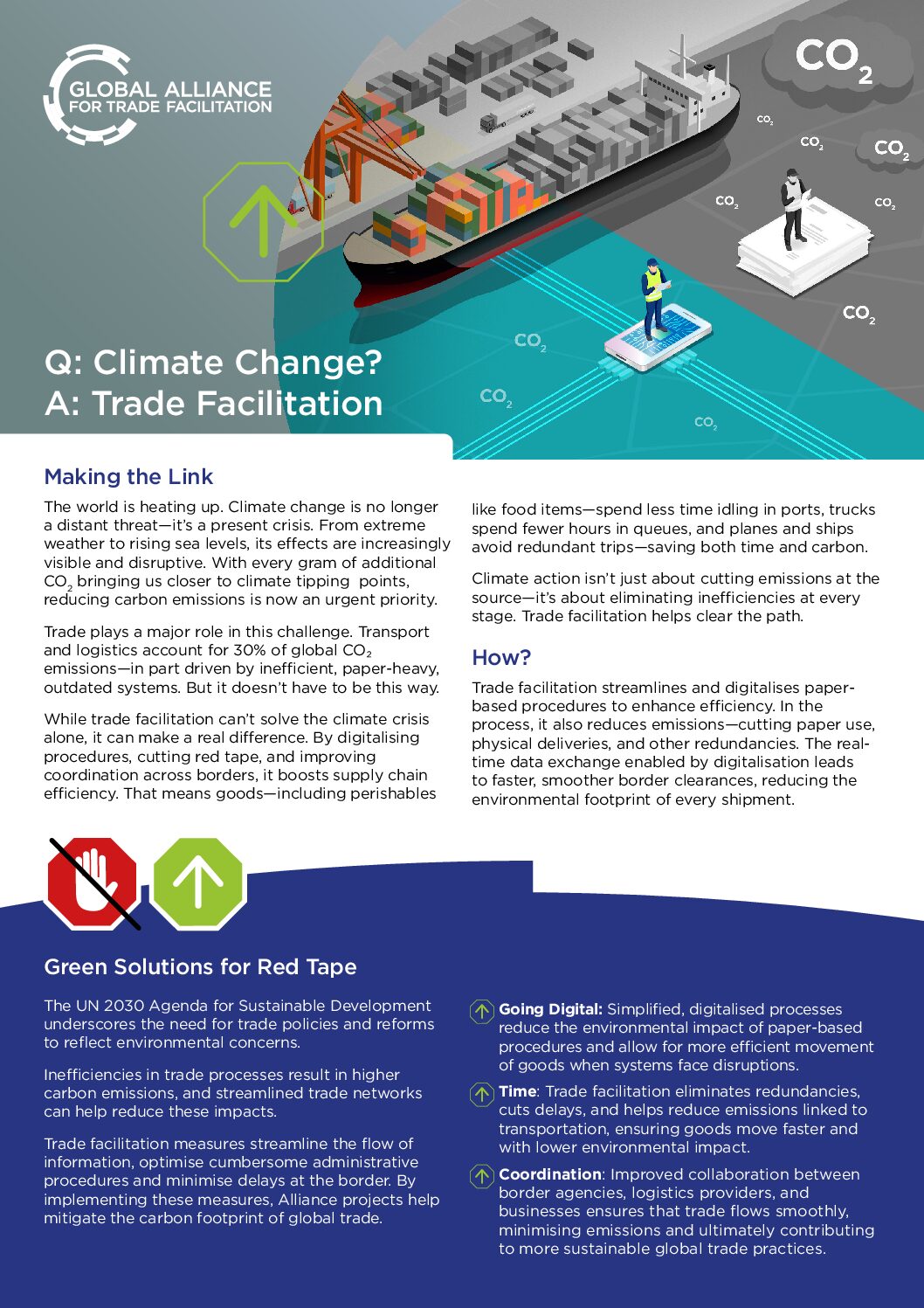
Trade Facilitation and Climate Change
Climate change is disrupting lives and economies—but trade facilitation can be part of the solution. By cutting red tape and digitalising border processes, it helps reduce global emissions and supports more sustainable trade.
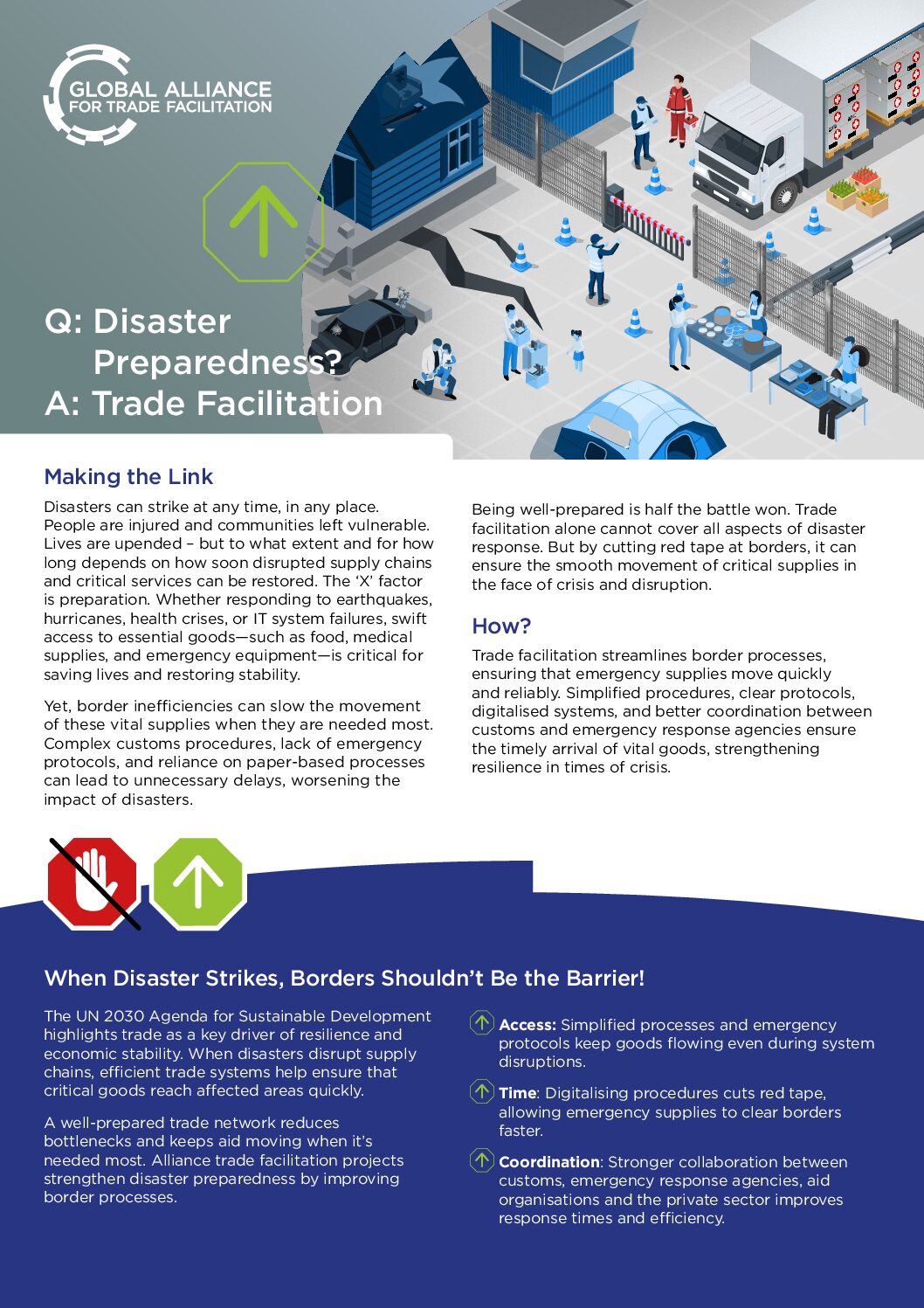
Trade Facilitation and Disaster Preparedness
Disasters can occur unexpectedly and anywhere, causing injuries and leaving communities vulnerable. While trade facilitation cannot address every aspect of disaster response, it can play a crucial role in expediting the delivery of essential supplies.
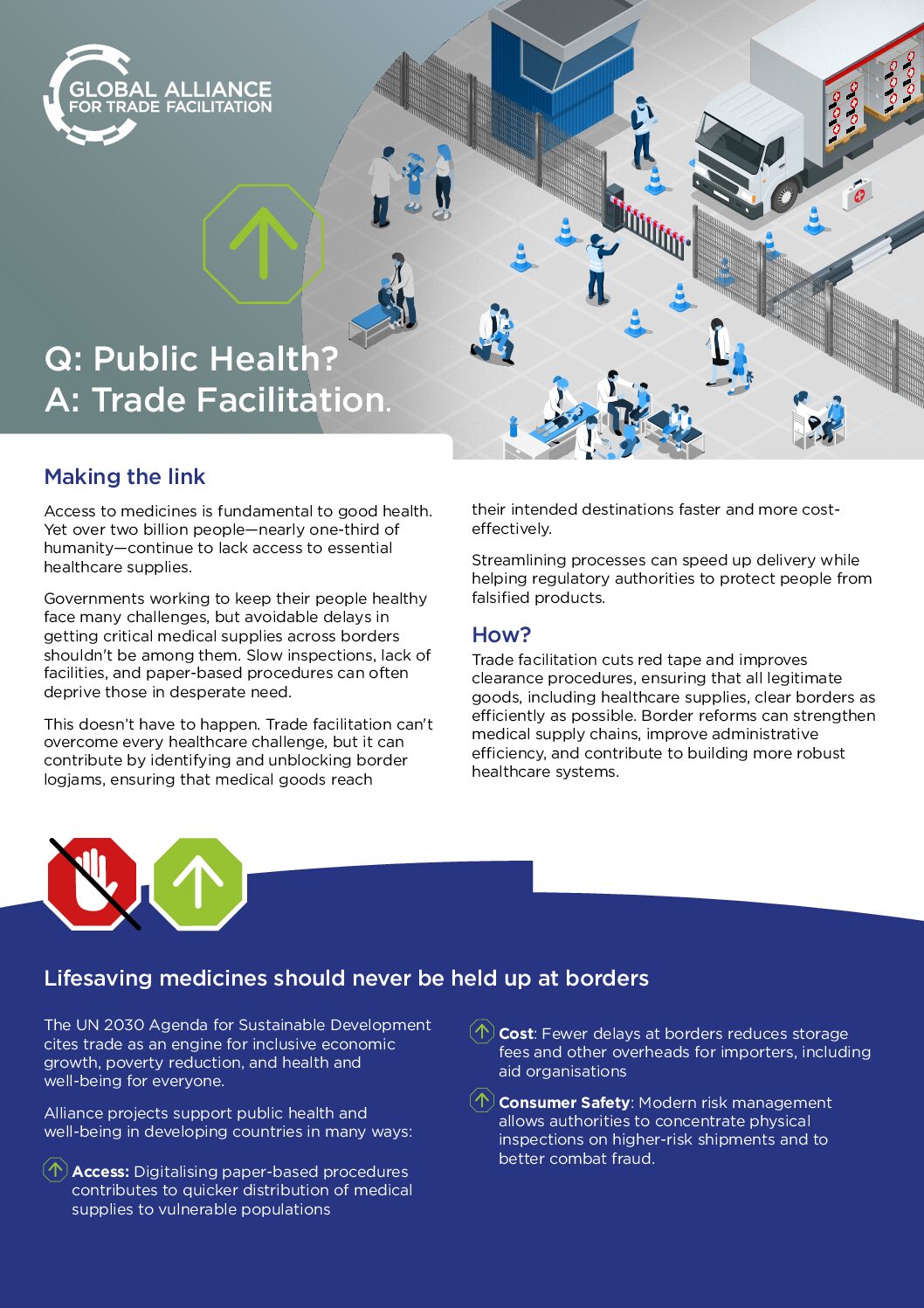
Trade Facilitation and Public Health
Governments face many challenges in optimising public health, including bureaucratic delays when importing critical medical supplies. Trade facilitation can’t overcome every healthcare challenge but cutting red tape and streamlining border processes can certainly speed up delivery of vital medicines and related equipment.
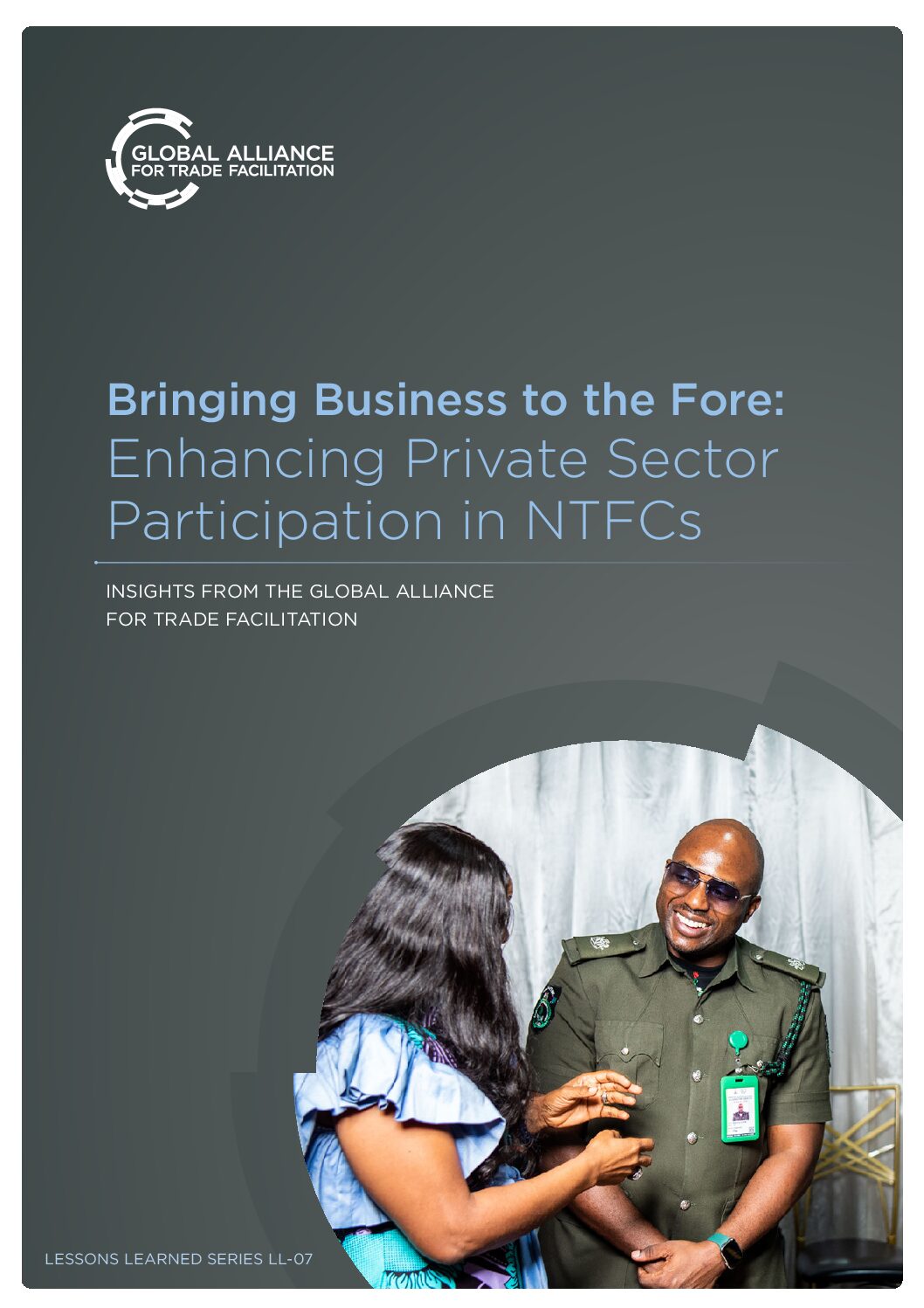
Bringing Business to the Fore: Enhancing Private Sector Participation in NTFCs
National Trade Facilitation Committees (NTFC) need strong public-private collaboration to create impactful and sustainable trade facilitation reforms. However, certain factors must exist to facilitate a strong public-private collaboration in the NTFC. This paper shares learnings from the Alliance’s work in different countries including Kenya, Colombia and Jordan to improve private sector participation in NTFCs.
Forging Sustainable Local Public Private Partnerships through Trade Facilitation
Trade facilitation traditionally lies within the purview of governments; however, trade reforms are most successful when the private sector plays an active role in the process. Every Alliance project is launched with the full support of the beneficiary government and the local private sector. In this paper, we share our lessons learned from building public private partnerships in over 30 countries.
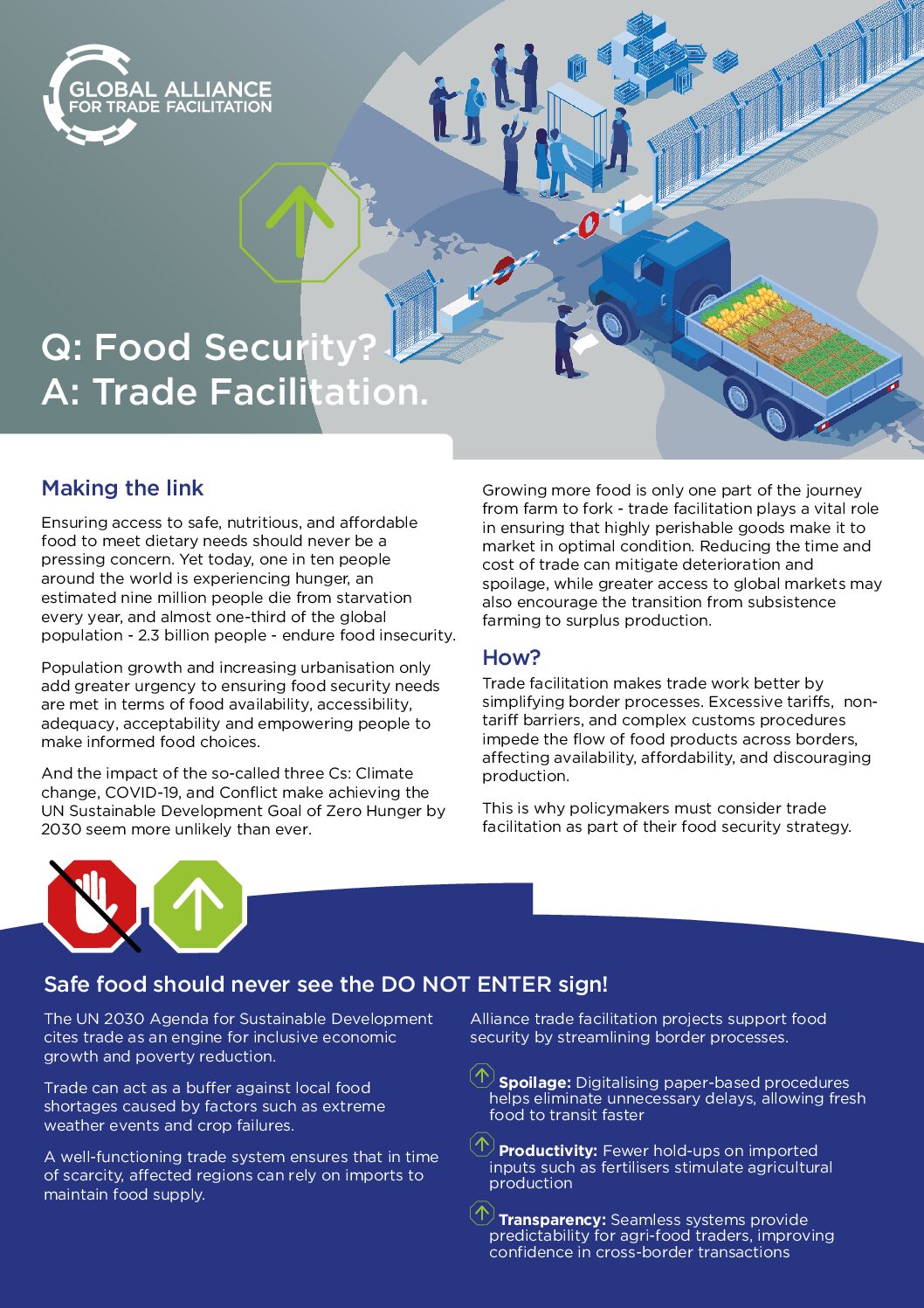
Trade Facilitation and Food Security
Ensuring access to safe, nutritious, and affordable food to meet dietary needs should never be a pressing concern. Growing more food is only one part of the journey from farm to fork – trade facilitation plays a vital role in ensuring that highly perishable goods make it to market in optimal condition.
Accelerating eCertification Adpotion
This paper offers practical guidance on how to overcome challenges in implementing digital transformation using a public private partnership approach – from achieving initial buy-in from government and business, to managing change, to ensuring long-term sustainability.
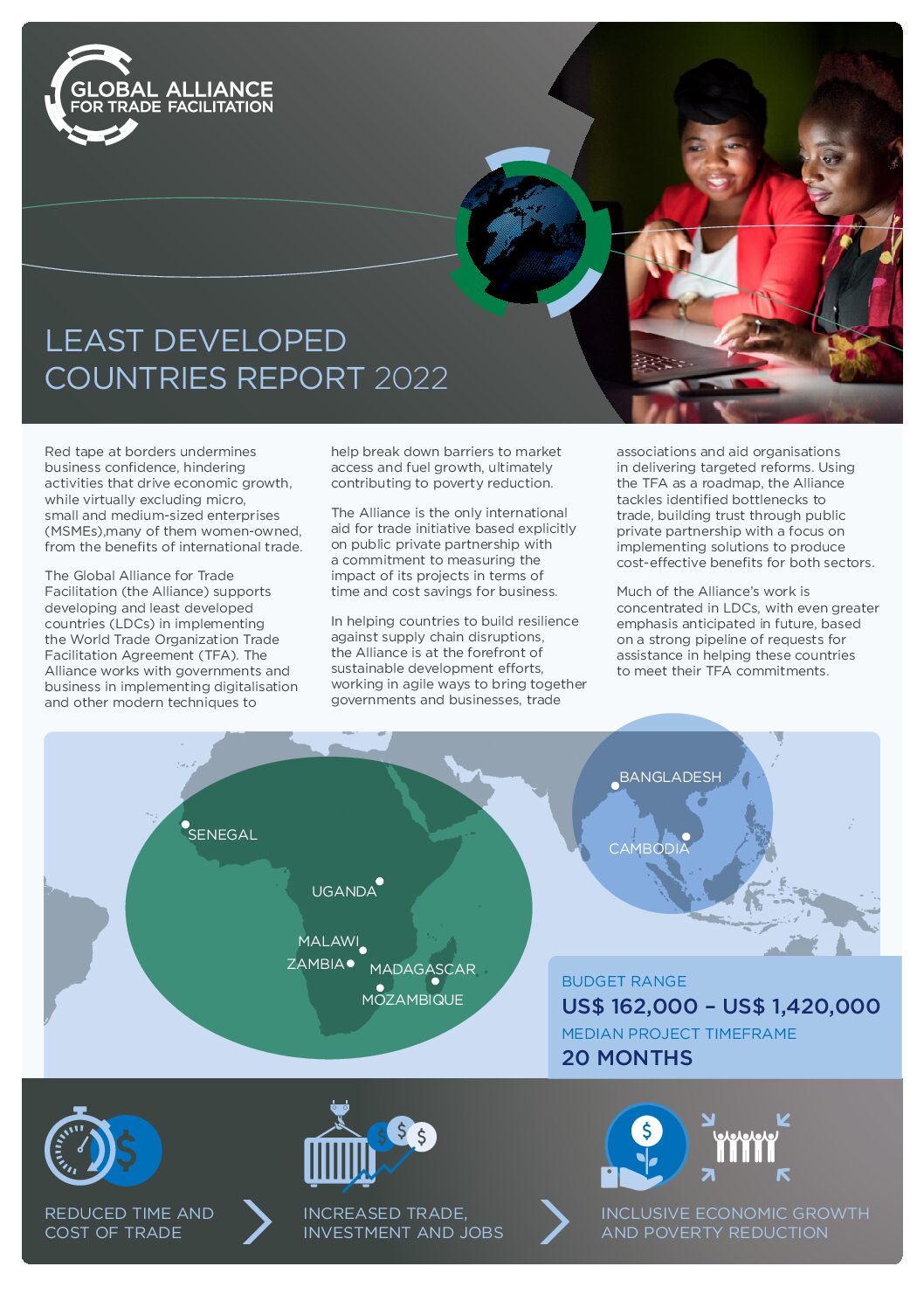
Least Developed Countries Report 2022
The Alliance supports developing and least developed countries (LDCs) in implementing the World Trade Organization Trade Facilitation Agreement (TFA). Much of our work is concentrated in LDCs, with even greater emphasis anticipated in future, based on a strong pipeline of requests for assistance in helping these countries to meet their TFA commitments.
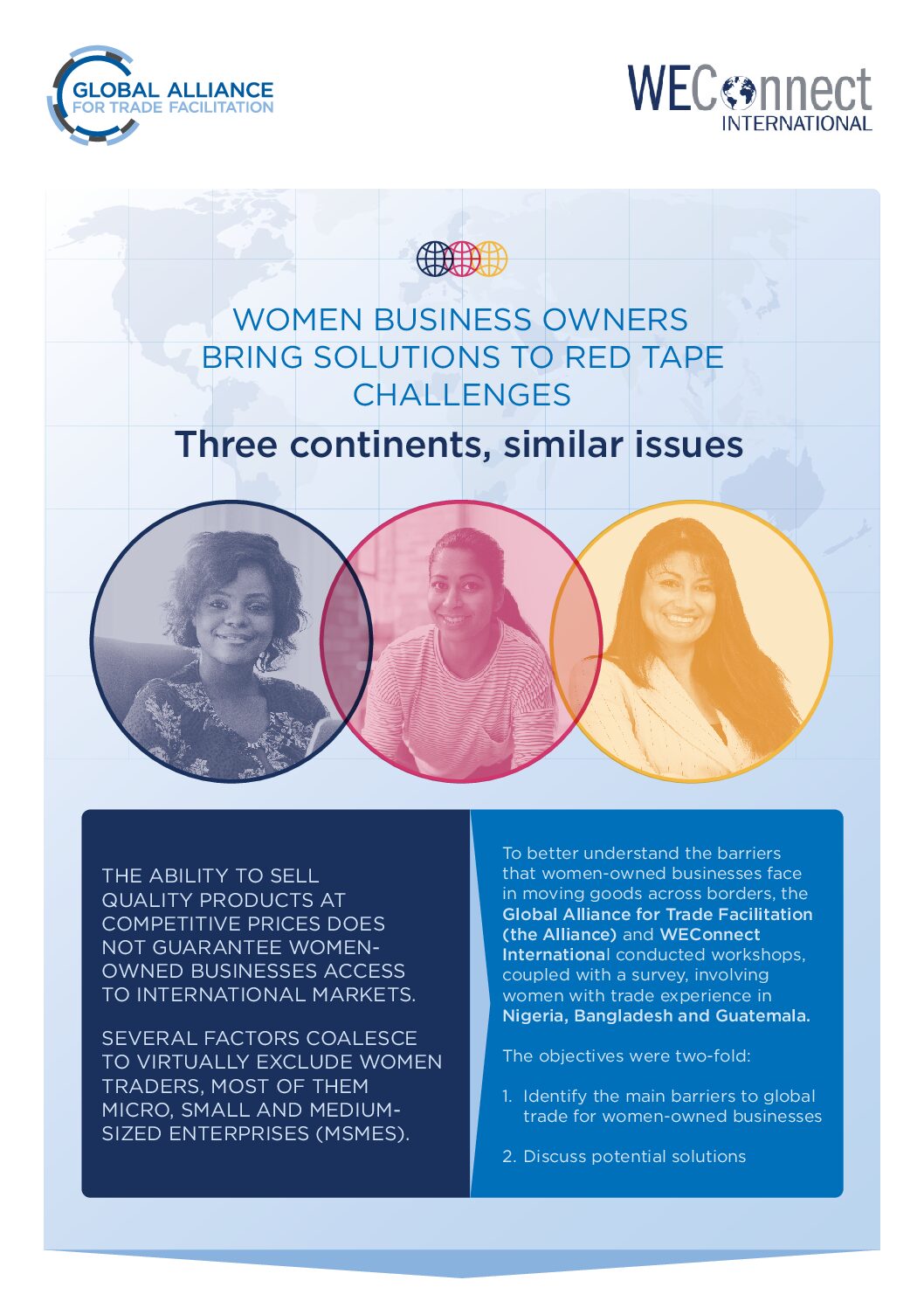
Three Continents, Similar Challenges for Women Business Owners
To better understand the obstacles that women-owned businesses in developing and least-developed countries must overcome to take advantage of the opportunities afforded to participants in world markets, the Alliance and WEConnect International conducted a study involving women with trade experience in Bangladesh, Guatemala, and Nigeria.
Trade Facilitation Reform as a Trust Catalyst
The Alliance’s Trade Facilitation Reform as a Trust Catalyst study examines relations between private sector stakeholders in the Colombian automotive industry and Customs, measuring transformative cooperation between the two. The results have promise for applicability outside of the trade space, showing that trust and reform across a variety of areas – from economic development to environmental regulation – can work hand in hand to increase public-private cooperation.
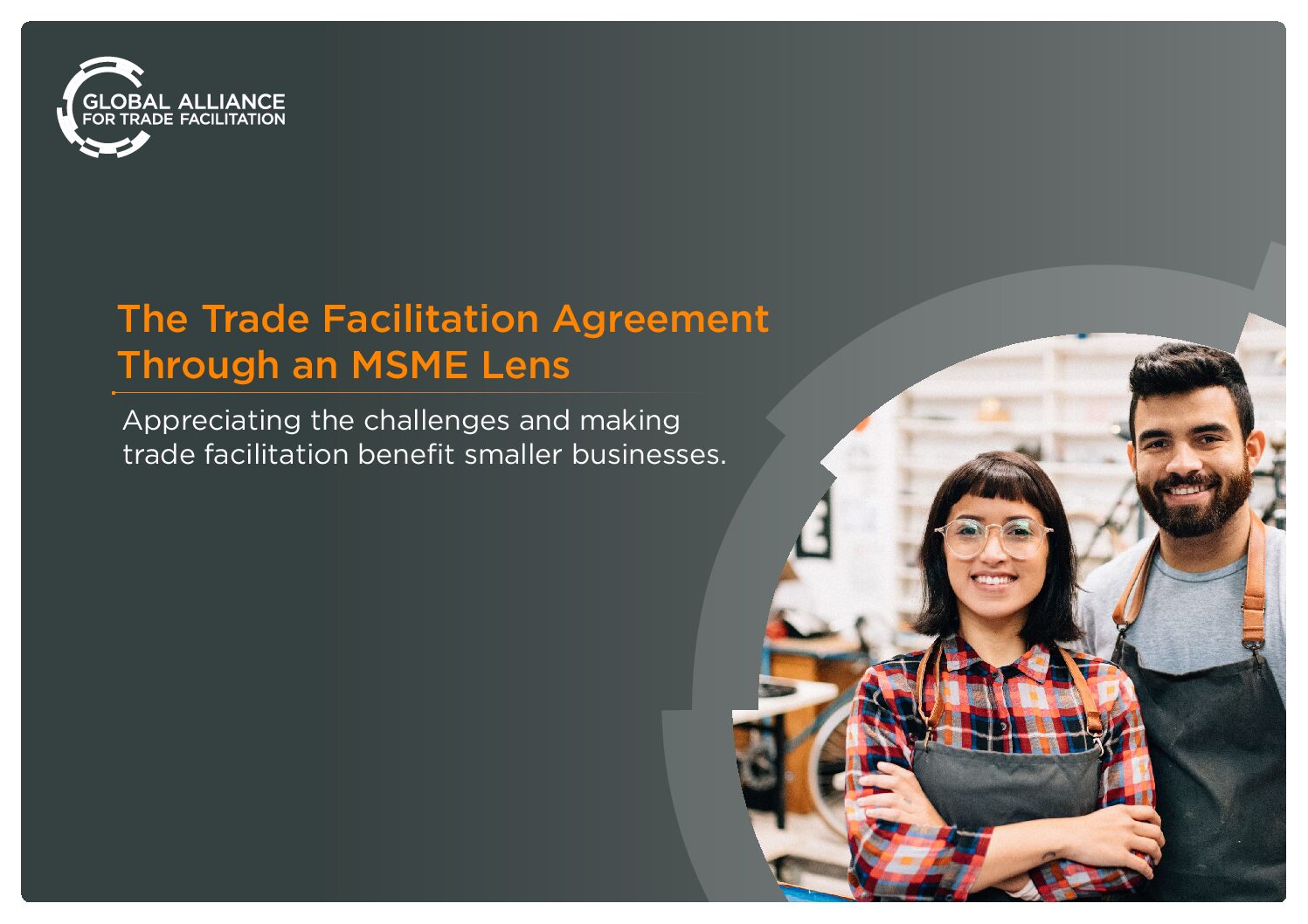
The Trade Facilitation Agreement through an MSME lens
The Alliance’s Trade Facilitation Agreement Through an MSME Lensprovides practical guidance on actions the Alliance, policy makers, and development practitioners can take to ensure that implementation of the TFA supports MSMEs while presenting an in-depth analysis of the TFA itself and how it tackles MSME-specific challenges to international trade.